Claire and the GAA
For many supporters, following Dublin GAA is a hobby. For Claire Rooney, it has been something much deeper. It has been a constant source of community, confidence and belonging—one that has helped shape her into a passionate advocate for autistic people and everyone living with disabilities.
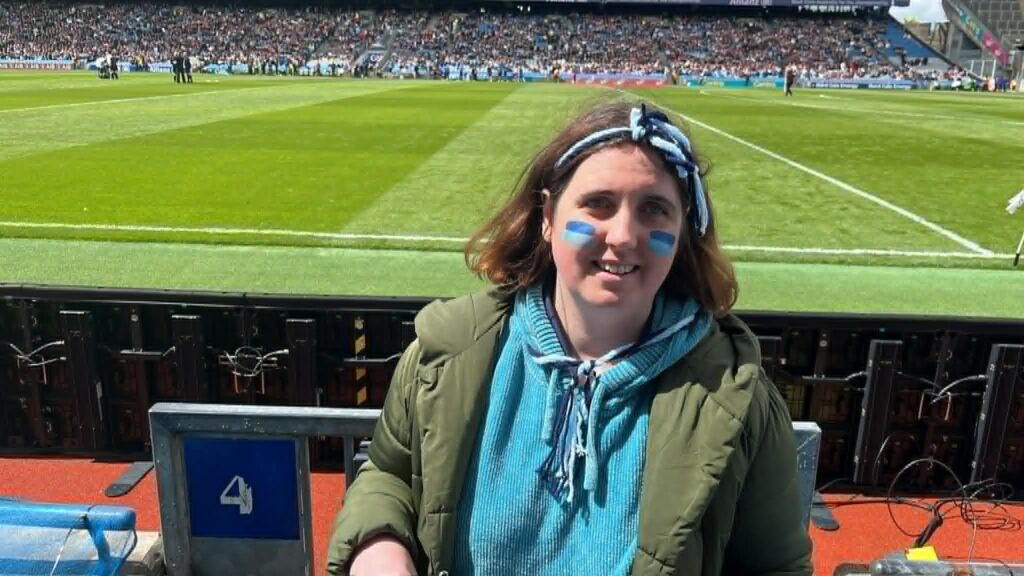
Claire has followed Dublin since childhood, when her mother and stepfather first brought her to matches. School could be difficult, but one thing never changed.
“The Dubs were always there,” she says.
That unwavering support turned into a lifelong passion. She became a Dublin season ticket holder in 2009, the year the scheme was introduced, and three years later found herself recognised as one of the county’s most dedicated supporters.
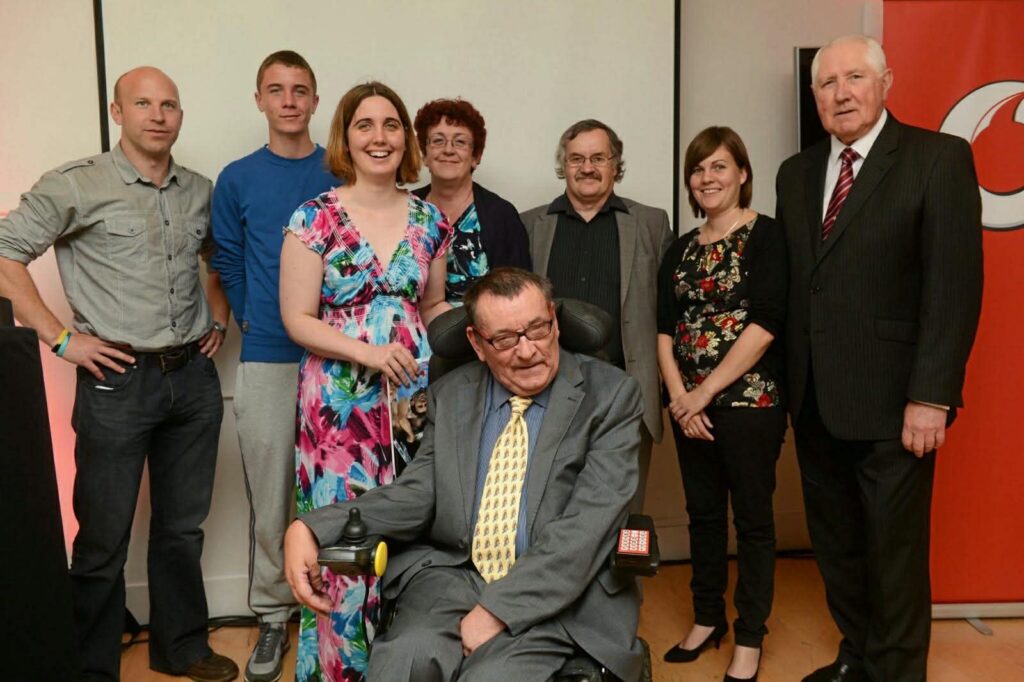
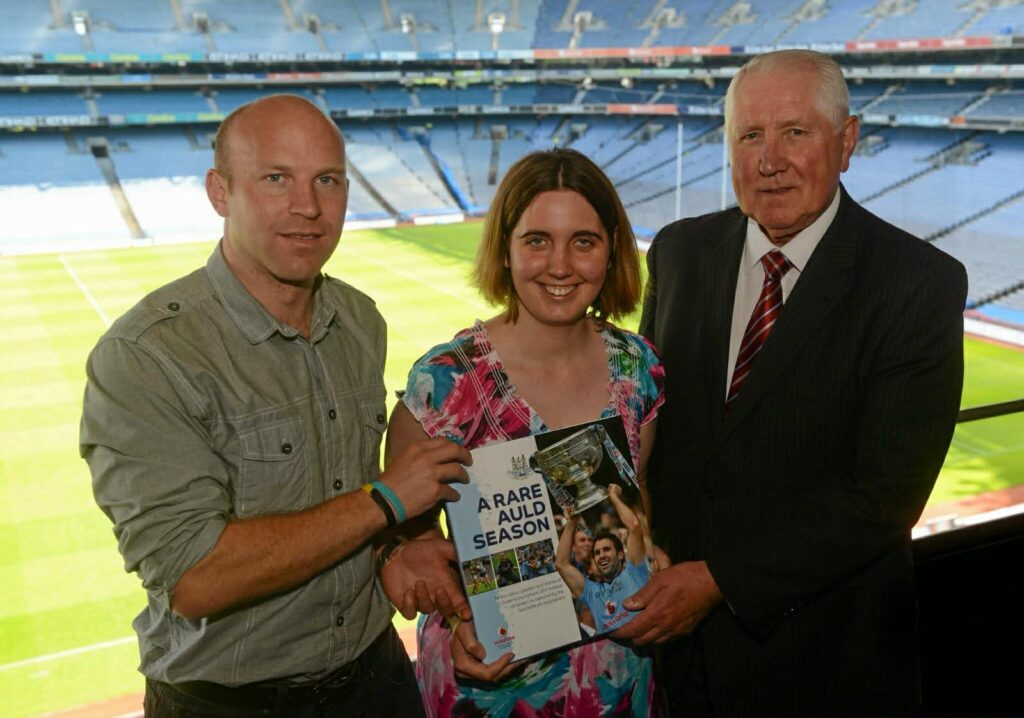
In 2012, after someone nominated her for a Vodafone competition to find Dublin’s greatest fans, Claire submitted a video explaining why she deserved the title. From thousands of entries, she was voted one of the five biggest Dublin supporters in the country. The finalists were invited to Parnell Park for a special presentation, receiving commemorative jerseys, sports bags and the unforgettable experience of being recognised by the county she loves.
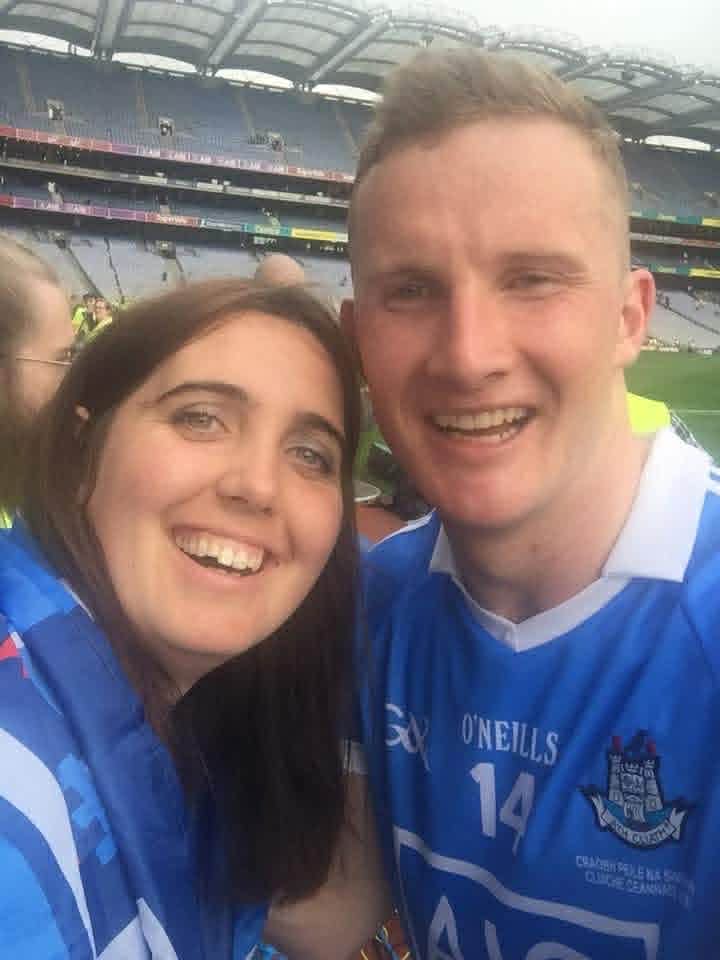
The timing could not have been more memorable. The previous year, Claire was in Croke Park to witness Dublin end a 16-year wait for the All-Ireland title.
“I’ll never forget that day,” she recalls.
While few could have predicted what followed—nine All-Ireland titles in little more than a decade—Claire remembers the emotion of that first breakthrough more than the beginning of an era of dominance.
Among her favourite players are Stephen Cluxton, Ciarán Kilkenny and especially Ger Brennan, whom she admires not only as a footballer but also as a coach and person.
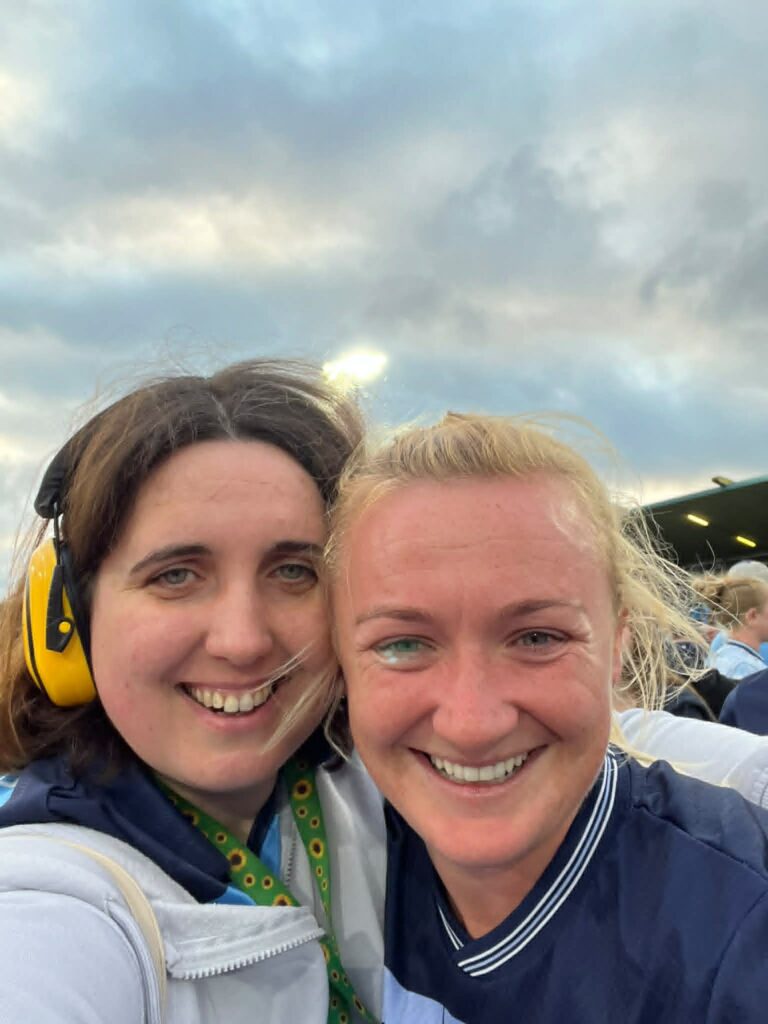
Beyond Awareness
While GAA is Claire’s passion, disability advocacy is her purpose.
Claire has ASD (Autism Spectrum Disorder) and lives with epilepsy, but she is determined that conversations around disability move beyond simple awareness.
“What we need is acceptance,” she says.
She believes society still too often views disabled people through the lens of charity instead of equality.
“Rights, not charity.”
That philosophy extends to invisible disabilities as much as visible ones. Claire points to her close friend, who is registered blind, as an example of how assumptions continue to shape people’s attitudes towards disability.
Employment remains one of the biggest barriers.
Claire has experienced both understanding and discrimination during her working life. She remembers suffering a seizure while working in Penneys, acknowledging that the resulting concerns were legitimate health and safety issues. However, she also recalls working in a hotel where she felt her treatment was discriminatory rather than supportive.
Those experiences have strengthened her determination to improve opportunities for others.
Now entering the final year of a Social Justice degree, Claire hopes to work in disability advocacy after graduating, despite recognising that opportunities within the sector can be limited.
“I’d love to work somewhere advocating for people with disabilities,” she says.
Finding Confidence
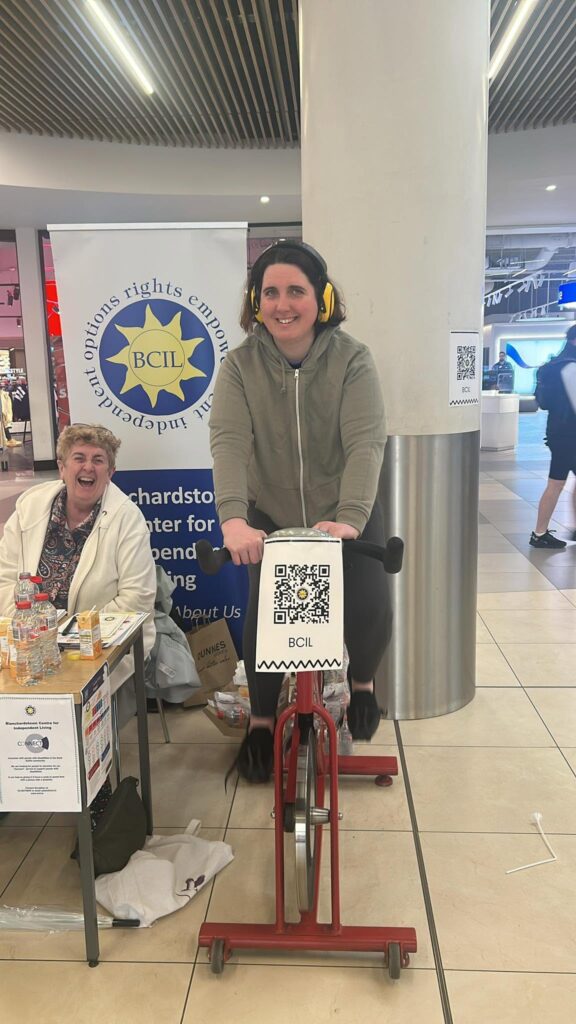
Claire credits the Blanchardstown Centre for Independent Living (BCIL) with helping her grow in confidence.
Through peer support groups, independent living assistance, transport services and practical advocacy, BCIL has become an important part of her life.
“They’ve helped me in every way possible,” she says.
“They’ve advocated for me many times. I don’t think I’d be where I am without them.”
The organisation also introduced her to a wider community of disabled people determined to support one another and campaign for equal rights.
The GAA Community
For Claire, GAA represents something that extends well beyond the result on the scoreboard.
She speaks warmly about the friendships formed among fellow season ticket holders and the accessibility improvements that have made attending games easier.
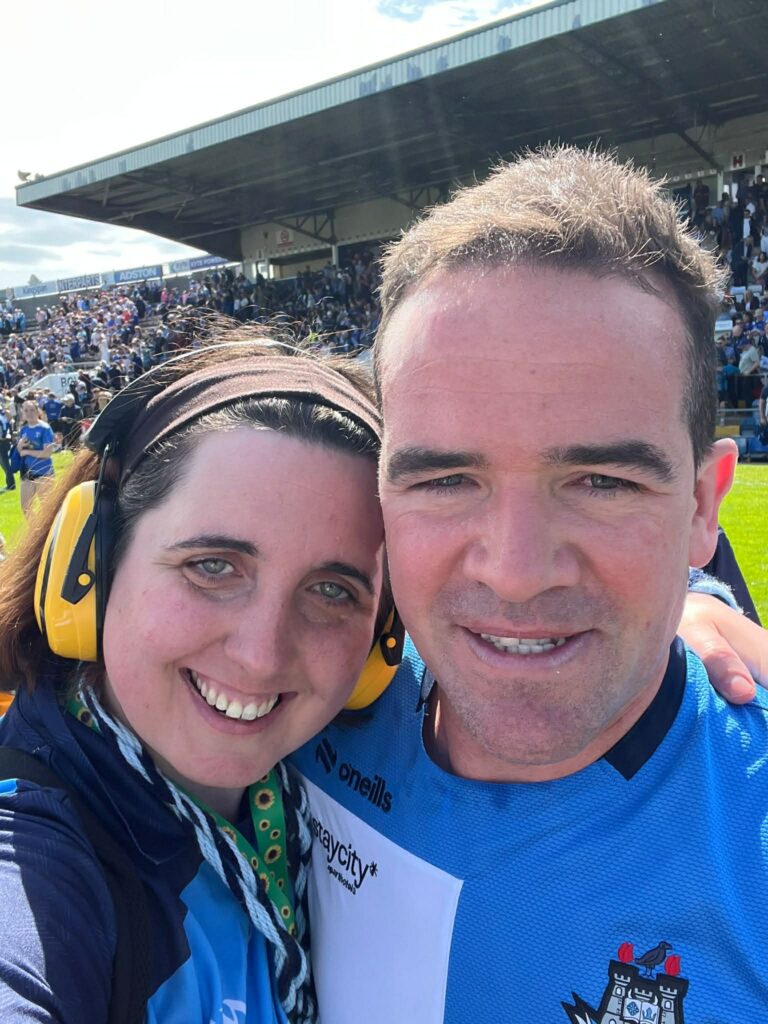
Because she is particularly sensitive to noise, she wears earmuffs at matches. She praises Croke Park’s sensory room and the stadium’s accessibility, including excellent wheelchair facilities.
She also speaks highly of the support she receives at university, where staff understand both her autism and epilepsy.
Her epilepsy has sometimes interrupted her match-day routine. Earlier this year she suffered a seizure at Croke Park during Dublin’s championship defeat to Kerry.
The response from stewards and fellow supporters left a lasting impression.
“They were brilliant,” she says.
“I had people around me who knew me and called the stewards straight away.”
Although the seizure caused temporary memory loss—a common effect of her condition—Claire still went home and watched the entire match again.
The only disappointment, she jokes, was that there was no television in the first-aid room!
Speaking Up
Claire’s passion for Dublin never prevents her from speaking honestly about the game.
Following Dublin’s controversial defeat to Kerry, she contacted both the Dublin County Board and the GAA to express concerns about refereeing consistency and overcrowding on Hill 16.
She believes players, managers and supporters all deserve fairness.
“The players don’t get paid,” she says.
“They deserve respect, and so do the fans.”
She would like to see regular referee assessments and refresher training introduced, similar to systems used in professional soccer.
Her criticism, she insists, is motivated not simply by county loyalty but by a desire to improve Gaelic games for everyone.
Advice for Others
Claire’s advice to autistic people considering advocacy is refreshingly straightforward.
“Don’t be afraid. Just do it.”
She encourages people to accept constructive criticism while refusing to tolerate disrespect, to seek support from organisations such as BCIL, and to advocate confidently for their own needs.
Whether that means requesting workplace accommodations, wearing sensory protection at sporting events or simply speaking up, Claire believes self-advocacy is essential.
“Make sure your needs get met.”
A Fan for Life
Ask Claire whether Dublin’s years of dominance ever became boring and she laughs.
Not at all.
“If they won 20 in a row, I’d still be happy.”
It is the answer of someone whose connection with the county goes far beyond silverware.
For Claire Rooney, Dublin GAA has always been more than a team. It has been a community that accepted her, helped build her confidence and inspired her to ensure others experience the same sense of belonging.
Today, she carries that spirit beyond the terraces of Croke Park, using her voice to campaign for a society where disabled people are valued not for sympathy or charity, but for their equal rights, dignity and potential.